

Hey there! I'm a supplier of Skotch Yoke Actuators, and today I wanna chat about the environmental protection requirements for these nifty devices.
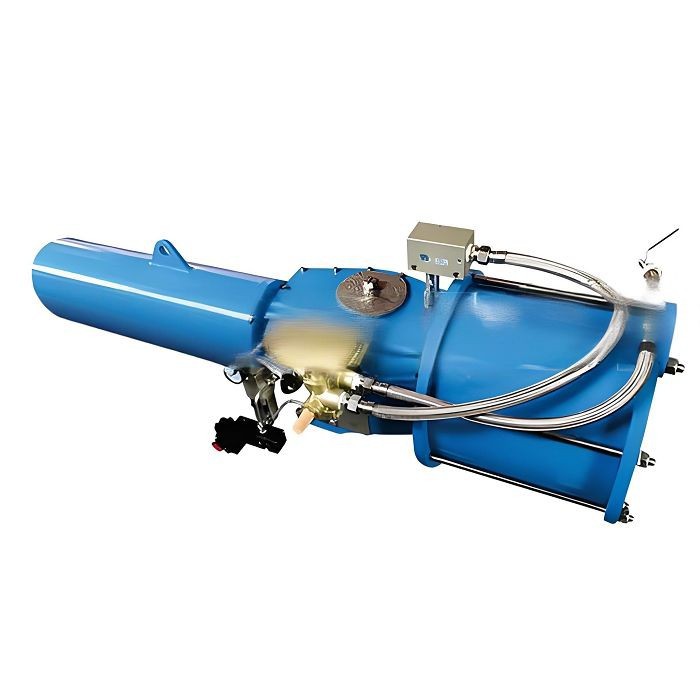
First off, let's quickly understand what a Skotch Yoke Actuator is. It's a type of actuator that converts linear motion into rotary motion, and it's widely used in various industries like oil and gas, chemical, and power generation. You can learn more about it Skotch Yoke Actuator.
1. Material Selection
One of the key environmental protection aspects starts with the materials we choose to make Skotch Yoke Actuators. We need to opt for materials that are not only durable and high - performance but also environmentally friendly.
For instance, when it comes to the metal parts, we should look for metals that are recyclable. Steel is a great choice as it can be recycled multiple times without losing its essential properties. Recycling steel reduces the need for mining new iron ore, which in turn cuts down on energy consumption and environmental damage associated with mining operations.
Another consideration is the use of non - toxic coatings. Traditional coatings might contain harmful chemicals like lead or cadmium. These chemicals can leach into the environment over time, especially in harsh operating conditions. We should use water - based, low - VOC (volatile organic compounds) coatings. VOCs are harmful air pollutants that can contribute to smog and respiratory problems. By using low - VOC coatings, we're reducing air pollution during the manufacturing process and also when the actuator is in use.
2. Energy Efficiency
Energy efficiency is a major part of environmental protection. Skotch Yoke Actuators should be designed to consume as little energy as possible while still performing their functions effectively.
In pneumatic Skotch Yoke Actuators, we can optimize the design to reduce air leakage. Air leakage not only wastes compressed air, which is energy - intensive to produce, but it also increases the operating costs for the end - user. By using high - quality seals and proper manufacturing techniques, we can minimize air leakage and improve the overall energy efficiency of the actuator.
For electric Skotch Yoke Actuators, we can incorporate advanced motor control technologies. For example, variable frequency drives (VFDs) can adjust the speed of the motor according to the actual load requirements. This means that the actuator doesn't consume more energy than necessary, resulting in significant energy savings over time. You can also check out Rotary Electric Actuator for more info on electric actuators.
3. Noise Reduction
Noise pollution is often overlooked but can have a significant impact on the environment and human health. Skotch Yoke Actuators can generate noise during their operation, especially in industrial settings.
To address this, we can use noise - dampening materials in the actuator's design. For example, adding rubber gaskets or insulation can help absorb the vibrations and reduce the noise level. We can also optimize the mechanical design to reduce the impact forces and friction between moving parts, which are common sources of noise.
Reducing noise not only benefits the environment but also improves the working conditions for the operators. In areas close to residential zones, it can prevent noise - related complaints and ensure that the industrial operations are more in line with environmental regulations.
4. Waste Management
During the manufacturing process of Skotch Yoke Actuators, there will inevitably be some waste generated. It's crucial to have an effective waste management system in place.
We should separate different types of waste, such as metal scraps, plastic waste, and packaging materials. Metal scraps can be recycled, as mentioned earlier. Plastic waste can also be recycled or reused in some cases. For packaging materials, we can use biodegradable or recyclable options.
When it comes to end - of - life management of the actuators, we should encourage customers to return the old actuators. We can then refurbish or recycle the components, reducing the amount of waste that ends up in landfills.
5. Compliance with Environmental Regulations
We need to stay updated with all the relevant environmental regulations in different regions. Different countries and industries may have specific requirements regarding the environmental performance of industrial equipment like Skotch Yoke Actuators.
For example, in some areas, there are strict regulations on the emission of pollutants during the manufacturing process. We need to ensure that our production facilities meet these emission standards. There may also be regulations regarding the disposal of waste and the use of certain materials. By complying with these regulations, we not only avoid legal issues but also contribute to a more sustainable environment.
6. Comparison with Other Actuators
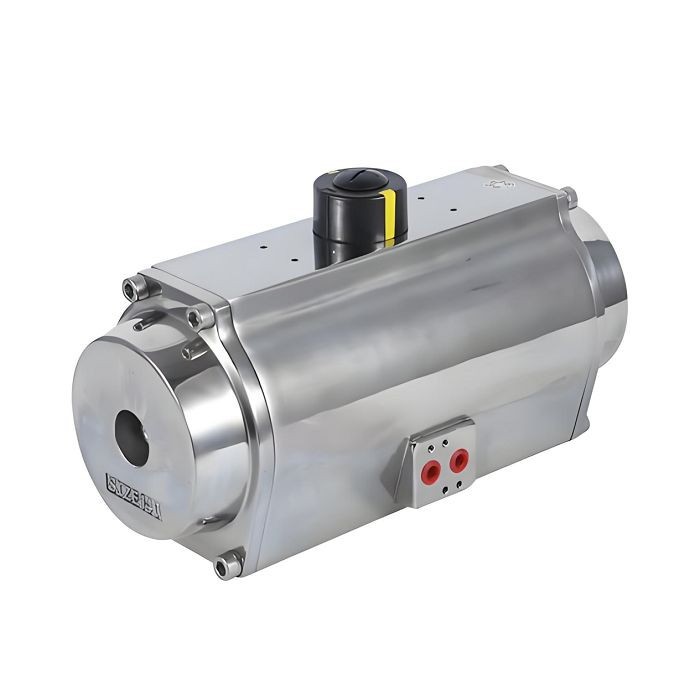
Let's compare Skotch Yoke Actuators with other types of actuators in terms of environmental protection. Take Rack and Pinion Pneumatic Actuator for example.
Skotch Yoke Actuators generally have a more compact design, which means they may require less material for manufacturing compared to some rack and pinion actuators. In terms of energy efficiency, the design of Skotch Yoke Actuators can be optimized to provide a better power - to - weight ratio, resulting in lower energy consumption.
However, both types of actuators need to focus on similar environmental aspects like material selection, energy efficiency, and waste management. Each has its own advantages and disadvantages, but with proper design and implementation of environmental protection measures, they can all contribute to a greener future.
7. Conclusion and Call to Action
In conclusion, environmental protection requirements for Skotch Yoke Actuators cover a wide range of aspects, from material selection to end - of - life management. As a supplier, we're committed to meeting these requirements and providing our customers with high - quality, environmentally friendly actuators.
If you're in the market for Skotch Yoke Actuators or have any questions about their environmental performance, feel free to reach out to us. We're more than happy to have a chat and discuss how our products can meet your needs while also being kind to the environment. Let's work together to make our industries more sustainable!
References
- General knowledge on industrial actuator design and environmental protection standards.
- Industry reports on the development of environmentally friendly actuators.