

In the realm of industrial automation and control systems, Rotary Electric Actuators play a pivotal role. These devices are designed to convert electrical energy into rotary motion, enabling precise control over various mechanical processes. One of the key features that enhances the functionality and reliability of Rotary Electric Actuators is the data logging function. In this blog, as a dedicated Rotary Electric Actuator supplier, I will delve into what the data logging function of a Rotary Electric Actuator is, its significance, and how it benefits end - users.
Understanding the Data Logging Function
The data logging function of a Rotary Electric Actuator involves the systematic recording of various operational data related to the actuator's performance. This data can include parameters such as torque, position, speed, temperature, and the number of cycles completed. The actuator is equipped with sensors that continuously monitor these variables during its operation. The collected data is then stored in an internal memory or transmitted to an external data storage device for further analysis.
For example, the torque sensor measures the amount of rotational force applied by the actuator. This data is crucial as it can indicate if the actuator is operating within the specified load limits. If the torque exceeds the normal range, it could be a sign of a mechanical obstruction or a problem with the connected equipment. Similarly, the position sensor records the angular position of the actuator's shaft. This information helps in ensuring that the actuator is moving to the correct position as commanded, which is essential in applications where precise positioning is required.
Components Involved in Data Logging
To support the data logging function, a Rotary Electric Actuator typically consists of the following components:
- Sensors: As mentioned earlier, sensors are the primary data collection devices. They are strategically placed within the actuator to measure different physical quantities. For instance, a Hall - effect sensor can be used to detect the position of the actuator's shaft, while a thermocouple can be employed to monitor the temperature inside the actuator.
- Data Acquisition Unit (DAU): The DAU is responsible for collecting the data from the sensors and converting it into a digital format. It also performs some pre - processing tasks such as filtering and amplification to ensure the accuracy of the data.
- Memory: This is where the logged data is stored. The memory can be either internal to the actuator or an external storage device, such as a USB flash drive or a network - attached storage (NAS).
- Communication Interface: To transfer the logged data to an external system for analysis, the actuator is equipped with a communication interface. Common interfaces include Ethernet, Modbus, and Profibus, which allow seamless integration with industrial control systems and data analysis software.
Significance of Data Logging in Rotary Electric Actuators
Predictive Maintenance
One of the most significant benefits of the data logging function is its contribution to predictive maintenance. By continuously monitoring the actuator's performance data, maintenance personnel can detect early signs of wear and tear or potential failures. For example, if the temperature of the actuator gradually increases over time, it could indicate a problem with the motor or the lubrication system. By analyzing the historical data, maintenance teams can schedule maintenance activities before a breakdown occurs, reducing downtime and maintenance costs.
Process Optimization
The logged data can also be used to optimize industrial processes. For instance, by analyzing the position and speed data, engineers can fine - tune the control algorithms of the actuator to improve the overall efficiency of the process. If the actuator is used in a packaging line, precise control of its speed and position can lead to higher production rates and better product quality.

Quality Assurance
In industries where strict quality control is required, the data logging function provides a valuable tool for quality assurance. The logged data can be used to verify that the actuator is operating within the specified parameters during the production process. This data can also serve as evidence of compliance with industry standards and regulations.
Comparison with Other Types of Actuators
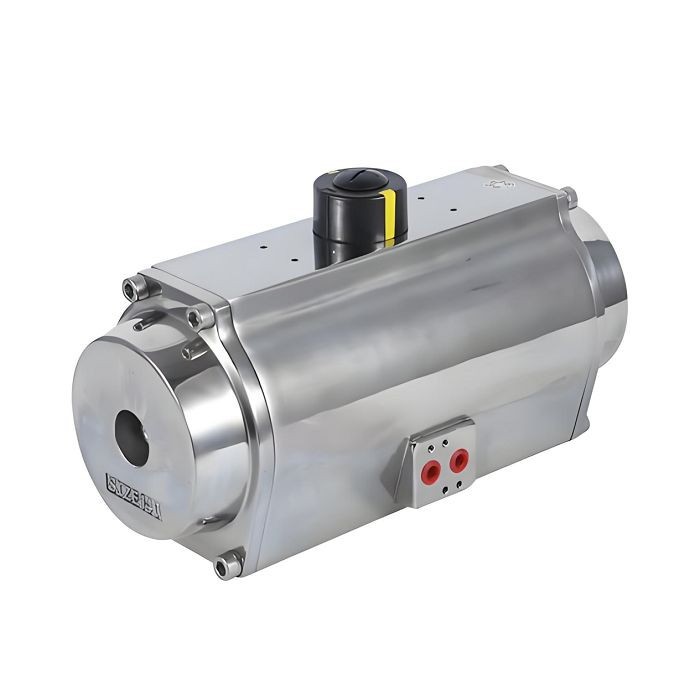
When compared to other types of actuators such as Rack and Pinion Pneumatic Actuator and Skotch Yoke Actuator, Rotary Electric Actuators with data logging capabilities offer several advantages.
Pneumatic actuators rely on compressed air to generate motion. While they are simple and cost - effective, they often lack the ability to accurately measure and record operational data. The data logging function in Rotary Electric Actuators provides a level of transparency and control that is not typically available in pneumatic actuators.
Skotch Yoke Actuators are known for their high torque output. However, similar to pneumatic actuators, they may not have the advanced data logging capabilities of Rotary Electric Actuators. The ability to log detailed performance data in an electric actuator allows for more in - depth analysis and optimization of the system.
Applications of Rotary Electric Actuators with Data Logging
Oil and Gas Industry
In the oil and gas industry, Rotary Electric Actuators are used in various applications such as valve control. The data logging function helps in monitoring the performance of the actuators, ensuring the safe and efficient operation of pipelines and refineries. By analyzing the torque and position data, operators can detect any potential leaks or blockages in the system.
Water Treatment Plants
In water treatment plants, these actuators are used to control the flow of water and chemicals. The logged data can be used to optimize the dosing of chemicals, ensuring that the water treatment process is both effective and cost - efficient.
Manufacturing Industry
In manufacturing, Rotary Electric Actuators are used in robotic arms and conveyor systems. The data logging function enables manufacturers to monitor the performance of these systems, identify bottlenecks, and improve overall productivity.
How Our Rotary Electric Actuators Stand Out
As a supplier of Rotary Electric Actuators, we understand the importance of the data logging function. Our actuators are equipped with high - precision sensors that ensure accurate data collection. The data acquisition unit and memory are designed to handle large volumes of data, allowing for long - term monitoring and analysis.
We also offer user - friendly software that can be used to access and analyze the logged data. The software provides intuitive dashboards and reports, making it easy for users to understand the performance of the actuators. Additionally, our actuators support multiple communication interfaces, enabling seamless integration with existing industrial control systems.
Conclusion
The data logging function of a Rotary Electric Actuator is a powerful feature that enhances the performance, reliability, and maintainability of the actuator. By recording and analyzing operational data, users can optimize processes, perform predictive maintenance, and ensure quality control. As a supplier, we are committed to providing high - quality Rotary Electric Actuators with advanced data logging capabilities. If you are interested in learning more about our products or are considering a purchase, we encourage you to contact us for a detailed discussion and to explore how our solutions can meet your specific requirements.
References
- "Industrial Actuators: Principles and Applications"
- "Automation Technologies for Modern Industry"
- Technical documentation from leading actuator manufacturers.