

Hey there! As an actuator supplier, I often get asked about the difference between high - torque and high - speed actuators. It's a pretty common question, and understanding these differences can be super important for anyone looking to purchase actuators for their projects. So, let's dive right in!
What is an Actuator?
Before we get into the differences between high - torque and high - speed actuators, let's quickly go over what an actuator is. An actuator is a device that converts energy into motion. In simple terms, it's what makes things move. There are different types of actuators, like electric, pneumatic, and hydraulic actuators. Each type has its own set of advantages and is used in various applications.
High - Torque Actuators
High - torque actuators are designed to generate a large amount of force. Torque is basically a measure of the rotational force that an actuator can produce. Think of it like trying to loosen a really tight bolt. You need a lot of force to turn that bolt, and that's where high - torque actuators come in handy.
These actuators are typically used in applications where you need to move heavy loads or overcome significant resistance. For example, in industrial manufacturing, high - torque actuators are used to operate large valves or move heavy machinery parts. They can also be found in automotive applications, like power steering systems, where they help turn the wheels with ease.
One of the key features of high - torque actuators is their ability to provide a lot of power at low speeds. They might not be the fastest actuators out there, but they make up for it with their strength. This makes them ideal for applications where precision and force are more important than speed.
High - Speed Actuators
On the other hand, high - speed actuators are all about getting the job done quickly. These actuators are designed to move at a rapid pace, making them perfect for applications where speed is crucial.
High - speed actuators are commonly used in industries like robotics and automation. In a robotic assembly line, for example, high - speed actuators are used to move parts quickly from one station to another, increasing the overall efficiency of the production process. They're also used in packaging machines, where they can quickly open and close packaging materials.
The main advantage of high - speed actuators is their ability to complete tasks in a short amount of time. However, they usually have a lower torque compared to high - torque actuators. This means they might not be suitable for applications that require moving heavy loads or overcoming a lot of resistance.
Key Differences
Now that we've covered the basics of high - torque and high - speed actuators, let's take a closer look at the key differences between them.
1. Torque and Speed
As the names suggest, the most obvious difference is the balance between torque and speed. High - torque actuators prioritize force over speed, while high - speed actuators focus on getting the job done quickly.
2. Applications
High - torque actuators are used in applications where heavy loads need to be moved or significant resistance needs to be overcome. High - speed actuators, on the other hand, are used in applications where speed is the primary concern, like in robotics and automation.
3. Design and Construction
The design and construction of high - torque and high - speed actuators are also different. High - torque actuators are often built with stronger materials and more robust components to handle the high forces. High - speed actuators, on the other hand, are designed to be lightweight and have less friction to enable rapid movement.
Types of Actuators for Different Needs
There are different types of actuators that can be either high - torque or high - speed, depending on their design and application.
Rotary Electric Actuator
A Rotary Electric Actuator can be configured to be either high - torque or high - speed. Electric actuators are known for their precision and controllability. A high - torque rotary electric actuator can be used in applications like rotating large industrial equipment, while a high - speed one can be used in robotic joints for quick movements.
Skotch Yoke Actuator
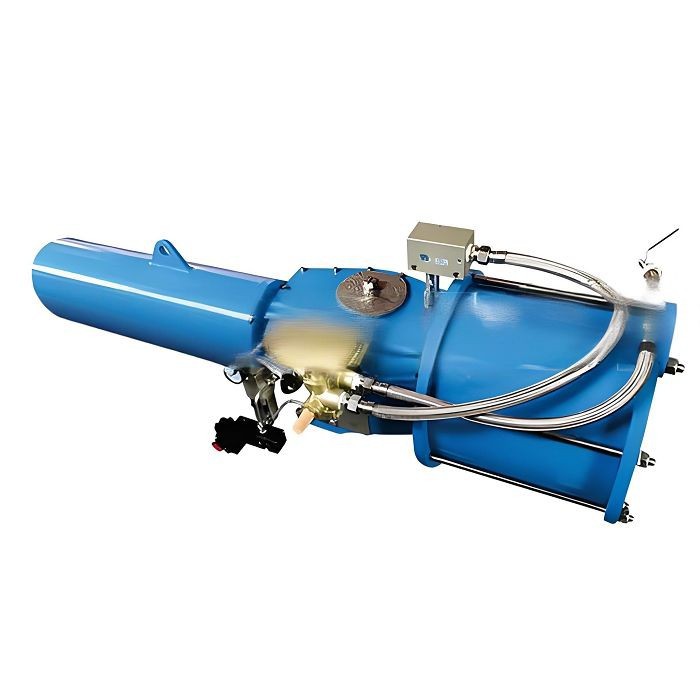
The Skotch Yoke Actuator is often used in valve automation. It can be designed to provide high torque for operating large valves. The unique design of the skotch yoke mechanism allows it to convert linear motion into rotational motion efficiently, making it suitable for applications that require a lot of force.
Rack and Pinion Pneumatic Actuator
A Rack and Pinion Pneumatic Actuator can be either high - torque or high - speed. Pneumatic actuators are powered by compressed air, which makes them fast and reliable. High - speed rack and pinion pneumatic actuators are commonly used in automation systems for quick valve opening and closing, while high - torque ones can be used for larger valves that require more force.

Choosing the Right Actuator
When it comes to choosing between a high - torque and a high - speed actuator, it all boils down to your specific application. You need to consider factors like the load you need to move, the speed at which you need to move it, and the environment in which the actuator will operate.
If you're dealing with heavy loads or significant resistance, a high - torque actuator is probably the way to go. On the other hand, if speed is your top priority, then a high - speed actuator will be more suitable.
It's also important to consider the cost and maintenance requirements of the actuator. High - torque actuators might be more expensive upfront due to their robust construction, but they can save you money in the long run by reducing the risk of breakdowns. High - speed actuators, on the other hand, might require more frequent maintenance to keep them running at peak performance.
Conclusion
In conclusion, understanding the difference between high - torque and high - speed actuators is crucial for anyone in the market for actuators. Whether you're in the industrial manufacturing, automotive, or robotics industry, choosing the right actuator can make a big difference in the efficiency and performance of your operations.
As an actuator supplier, I'm here to help you make the right choice. If you're not sure which type of actuator is best for your application, feel free to reach out. We can discuss your specific needs and find the perfect actuator solution for you. Whether it's a high - torque Rotary Electric Actuator, a high - speed Rack and Pinion Pneumatic Actuator, or something else entirely, we've got you covered.
So, if you're looking to purchase actuators for your project, don't hesitate to contact us for a consultation. Let's work together to find the best actuator solution for your needs!
References
- Johnson, R. (2020). Actuator Handbook. Industrial Press.
- Smith, A. (2019). Understanding Actuator Performance. Automation Today Magazine.