

Hey there, folks! As a supplier of Rotary Electric Actuators, I often get asked about their efficiency. So, I thought I'd take some time to break it down for you in this blog post.
First off, let's talk about what a Rotary Electric Actuator is. In simple terms, it's a device that converts electrical energy into mechanical rotational motion. These actuators are used in a wide range of applications, from industrial automation to automotive systems, and even in some consumer products.
Now, when we talk about the efficiency of a Rotary Electric Actuator, we're essentially looking at how well it can convert electrical power into useful mechanical work. There are several factors that can affect this efficiency, and I'll go through them one by one.
Motor Efficiency
The heart of a Rotary Electric Actuator is its motor. The efficiency of the motor plays a crucial role in determining the overall efficiency of the actuator. Different types of motors have different efficiency levels. For example, brushless DC motors are generally more efficient than brushed DC motors. This is because brushless motors don't have the friction and wear associated with brushes, which can cause energy losses.
When a motor is running, it consumes electrical power. Part of this power is converted into mechanical power to drive the rotation of the actuator, but some of it is lost as heat. A more efficient motor will convert a higher percentage of the electrical power into mechanical power, resulting in less wasted energy.
Gearbox Efficiency
Most Rotary Electric Actuators use a gearbox to increase the torque and reduce the speed of the motor output. However, gearboxes also introduce some energy losses. These losses occur due to friction between the gears, as well as the churning of the lubricant inside the gearbox.
The design and quality of the gearbox can have a significant impact on its efficiency. High - quality gears with precise machining and proper lubrication will have lower friction losses. For example, helical gears are often more efficient than spur gears because they have a more gradual engagement, which reduces impact and friction.
Control System Efficiency
The control system of the Rotary Electric Actuator is responsible for regulating the motor's speed, torque, and position. An efficient control system can optimize the operation of the actuator, reducing energy consumption.
For instance, a control system that uses advanced algorithms to adjust the motor's power based on the load requirements can save a lot of energy. If the actuator only needs to operate at a low speed or with a light load, the control system can reduce the power supplied to the motor accordingly.
Load Characteristics
The nature of the load that the Rotary Electric Actuator is driving also affects its efficiency. If the load is constant and well - matched to the actuator's capabilities, the actuator can operate more efficiently. However, if the load is variable or has sudden spikes, the actuator may have to work harder, resulting in lower efficiency.
For example, in an application where the actuator is used to open and close a valve, if the valve has a smooth and consistent resistance, the actuator can operate more efficiently compared to a situation where the valve has a lot of internal friction or a non - linear resistance.
Comparing with Other Actuator Types
It's also interesting to compare the efficiency of Rotary Electric Actuators with other types of actuators, such as Rack and Pinion Pneumatic Actuator and Skotch Yoke Actuator.
Pneumatic actuators, like the Rack and Pinion Pneumatic Actuator, use compressed air to generate motion. While they are relatively simple and inexpensive, they can be less efficient than electric actuators. This is because a significant amount of energy is lost in compressing the air, and there are also losses in the pneumatic lines and valves.
Skotch Yoke Actuators are often used in applications where high torque is required. However, they also have their own set of inefficiencies, mainly due to the mechanical design and the friction between the components.
In general, Rotary Electric Actuators tend to be more efficient in applications where precise control and energy savings are important. They can be easily integrated with modern control systems and can adapt to different load conditions more effectively.
Measuring Efficiency
To measure the efficiency of a Rotary Electric Actuator, we typically use the formula:
Efficiency (%) = (Mechanical Power Output / Electrical Power Input) x 100
The mechanical power output can be calculated by measuring the torque and the rotational speed of the actuator. The electrical power input can be measured using a power meter.
In real - world applications, it's important to note that the efficiency may vary depending on the operating conditions. For example, the efficiency may be lower at startup or when the actuator is operating at high speeds.
Improving Efficiency
As a supplier, we're always looking for ways to improve the efficiency of our Rotary Electric Actuators. One way is to use more advanced motor technologies, such as high - efficiency permanent magnet motors. These motors can provide more power with less energy consumption.
We also focus on optimizing the gearbox design. By using better materials and more precise manufacturing techniques, we can reduce the friction losses in the gearbox.
In addition, we're constantly developing and improving our control systems. Our latest control algorithms can adapt to different load conditions in real - time, ensuring that the actuator operates at its most efficient level.
Why Efficiency Matters
Efficiency is not just about saving energy. It also has a direct impact on the operating costs of the system. A more efficient Rotary Electric Actuator will consume less electricity, which means lower energy bills over the long term.
It also reduces the heat generated by the actuator. Less heat means less wear and tear on the components, which can extend the lifespan of the actuator and reduce maintenance costs.
Conclusion
So, there you have it! The efficiency of a Rotary Electric Actuator is determined by several factors, including the motor, gearbox, control system, and load characteristics. By understanding these factors, you can make a more informed decision when choosing a Rotary Electric Actuator for your application.
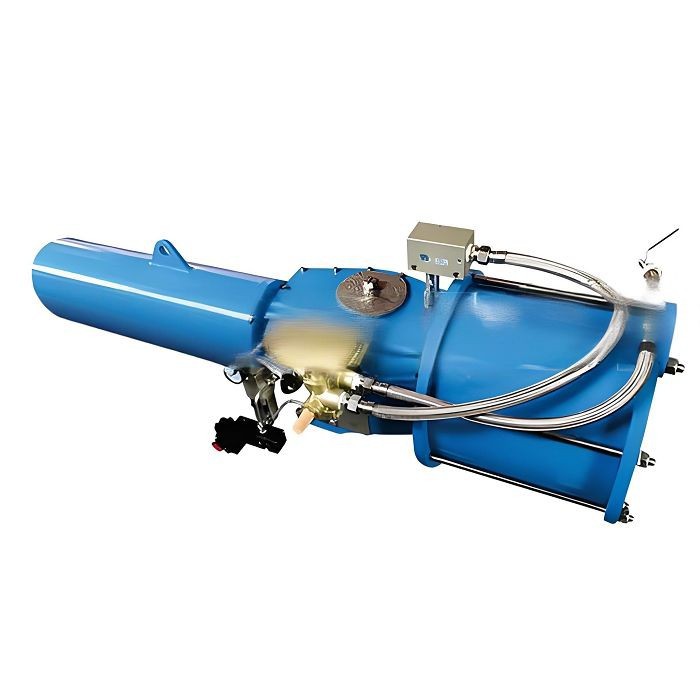

If you're in the market for a high - efficiency Rotary Electric Actuator, we'd love to hear from you. Our team of experts can help you select the right actuator for your specific needs. Whether you're looking for an actuator for industrial automation, automotive, or any other application, we've got you covered. You can check out our Rotary Electric Actuator product page to learn more about our offerings.
If you have any questions or want to start a procurement discussion, don't hesitate to reach out. We're here to make sure you get the best - performing and most efficient actuator for your project.
References
- "Electric Actuator Handbook", Industry Press, 2022
- "Principles of Actuator Design and Operation", Academic Publishers, 2021