

As a seasoned actuator supplier, I've witnessed firsthand the growing demand for energy - efficient solutions in the industrial sector. Actuators are essential components in various applications, from manufacturing plants to automated systems. However, they can also be significant energy consumers. In this blog, I'll share some practical strategies on how to reduce the energy consumption of an actuator.
1. Select the Right Type of Actuator
The first step in reducing energy consumption is choosing the appropriate actuator for your specific application. Different types of actuators have varying energy requirements.
-
Rack and Pinion Pneumatic Actuator: Pneumatic actuators are popular due to their simplicity and reliability. Rack and Pinion Pneumatic Actuator convert compressed air into linear or rotary motion. They are generally more energy - efficient when the application requires high - speed, intermittent operation. However, the energy efficiency of pneumatic actuators depends on the quality of the compressed air system. Leaks in the air lines can lead to significant energy losses. Regular maintenance and inspection of the pneumatic system can help minimize these losses.
-
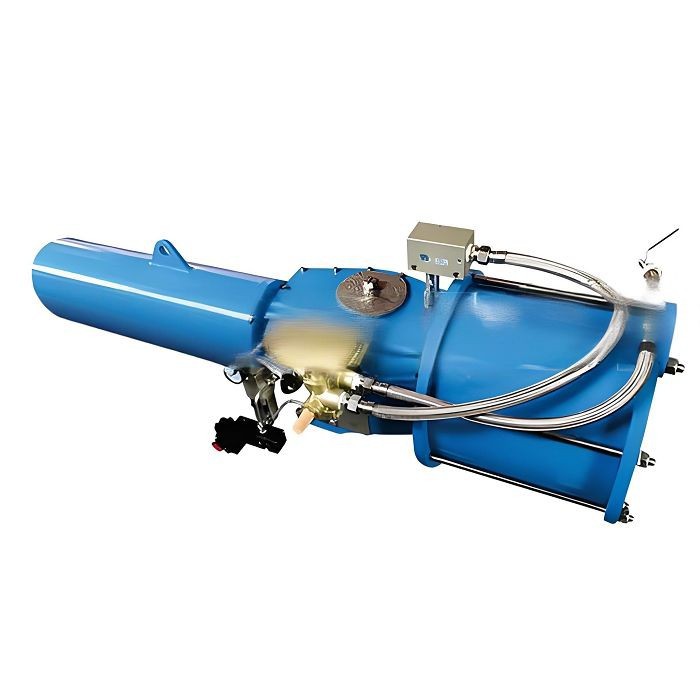
Skotch Yoke Actuator: Skotch Yoke Actuator is another type of pneumatic actuator that is often used in applications where high torque is required. They are designed to provide a high - output torque with a relatively small amount of air pressure. This makes them more energy - efficient in applications where high - force actuation is needed.
-
Rotary Electric Actuator: Rotary Electric Actuator uses an electric motor to generate rotary motion. Electric actuators are known for their high precision and energy efficiency, especially in applications where continuous operation is required. They eliminate the need for a compressed air system, which can be a major source of energy consumption in pneumatic actuators. However, the energy efficiency of electric actuators depends on the motor type and control system used.
2. Optimize Actuator Sizing
One of the most common mistakes in actuator selection is oversizing. An oversized actuator not only consumes more energy but also adds unnecessary cost to the system. When sizing an actuator, it's important to accurately calculate the required force, torque, and speed for the application.
-
Force and Torque Calculation: Determine the maximum force or torque required to move the load. This involves considering factors such as the weight of the load, friction, and any external forces acting on the system. By accurately calculating the required force or torque, you can select an actuator that is just large enough to meet the application requirements without being oversized.
-
Speed Requirements: Consider the required speed of the actuator. If the application does not require high - speed operation, selecting a slower - speed actuator can significantly reduce energy consumption. Additionally, some actuators offer variable - speed control, which allows you to adjust the speed based on the actual load requirements.
3. Implement Energy - Efficient Control Strategies
The control system plays a crucial role in reducing the energy consumption of an actuator. By implementing energy - efficient control strategies, you can optimize the operation of the actuator and minimize energy waste.
-
Proportional Control: Proportional control systems adjust the actuator's output based on the actual load requirements. Instead of operating at full power all the time, the actuator only uses the amount of energy necessary to move the load. This can result in significant energy savings, especially in applications where the load varies.
-
Feedback Control: Feedback control systems use sensors to monitor the position, speed, and force of the actuator. By continuously adjusting the actuator's operation based on the feedback, the control system can ensure that the actuator operates at its most efficient point. For example, if the load decreases, the control system can reduce the actuator's power consumption accordingly.
-
Start - Stop Control: In applications where the actuator does not need to operate continuously, start - stop control can be used to reduce energy consumption. The actuator is only turned on when it is needed and turned off when the task is completed. This can be particularly effective in applications such as conveyor systems or robotic arms.

4. Regular Maintenance and Lubrication
Proper maintenance and lubrication are essential for ensuring the energy efficiency of an actuator. Over time, wear and tear can cause the actuator to operate less efficiently, leading to increased energy consumption.
-
Inspection and Cleaning: Regularly inspect the actuator for signs of wear, damage, or contamination. Clean the actuator and its components to remove any dirt, debris, or corrosion that may affect its performance. This can help prevent friction and ensure smooth operation, reducing energy consumption.
-
Lubrication: Lubrication is crucial for reducing friction and wear in the actuator. Use the recommended lubricant for the specific actuator type and application. Over - lubrication can also be a problem, as it can cause increased drag and energy consumption. Follow the manufacturer's guidelines for lubrication intervals and amounts.
5. Upgrade to Energy - Efficient Components
If your existing actuator is consuming too much energy, consider upgrading to more energy - efficient components.
-
High - Efficiency Motors: For electric actuators, upgrading to a high - efficiency motor can significantly reduce energy consumption. High - efficiency motors are designed to convert more electrical energy into mechanical energy, resulting in less wasted energy.
-
Low - Friction Seals and Bearings: Using low - friction seals and bearings can reduce the amount of energy required to move the actuator. These components are designed to minimize friction and wear, improving the overall efficiency of the actuator.
6. System Integration and Optimization
Actuators are often part of a larger system. By integrating the actuator with other components and optimizing the overall system, you can further reduce energy consumption.
-
Energy - Recovery Systems: In some applications, it is possible to recover energy from the actuator's operation. For example, in a hydraulic actuator system, energy can be recovered during the deceleration phase and stored for later use. This can help reduce the overall energy requirements of the system.
-
System - Level Control: Implement system - level control strategies to coordinate the operation of multiple actuators and other components. By optimizing the timing and sequence of operations, you can reduce energy consumption and improve the overall efficiency of the system.
In conclusion, reducing the energy consumption of an actuator requires a comprehensive approach that includes proper actuator selection, sizing, control strategies, maintenance, and component upgrades. By implementing these strategies, you can not only save energy but also reduce operating costs and improve the environmental sustainability of your operations.
If you're interested in learning more about energy - efficient actuators or are looking to purchase high - quality actuators for your application, I encourage you to reach out to us. We have a wide range of actuators available, including Rack and Pinion Pneumatic Actuator, Skotch Yoke Actuator, and Rotary Electric Actuator. Our team of experts can help you select the right actuator for your needs and provide support throughout the installation and operation process.
References
- ASHRAE Handbook - HVAC Systems and Equipment. American Society of Heating, Refrigerating and Air - Conditioning Engineers.
- ISO 50001: Energy management systems - Requirements with guidance for use. International Organization for Standardization.
- Industrial Energy Efficiency Handbook. United Nations Industrial Development Organization.