

Hey there! As a supplier of Rotary Electric Actuators, I often get asked about the power supply requirements for these nifty devices. So, I thought I'd break it down in this blog post to help you understand what you need to keep these actuators running smoothly.
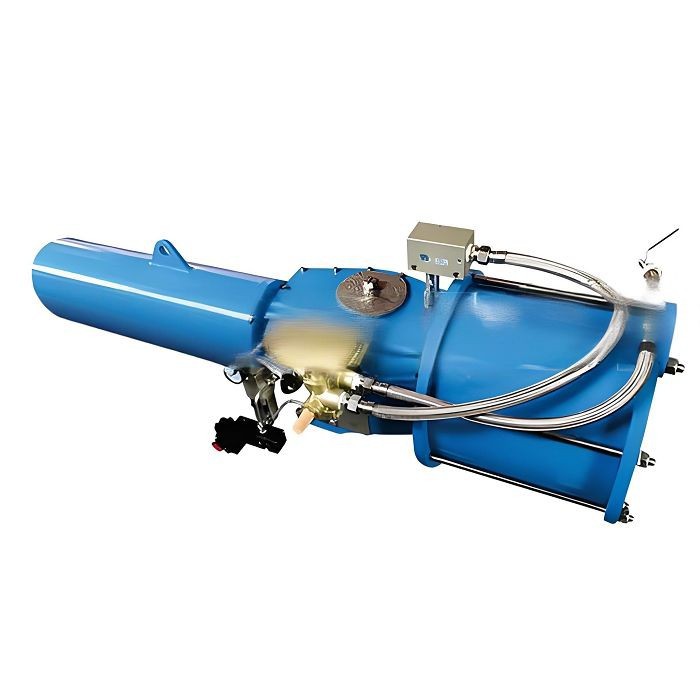
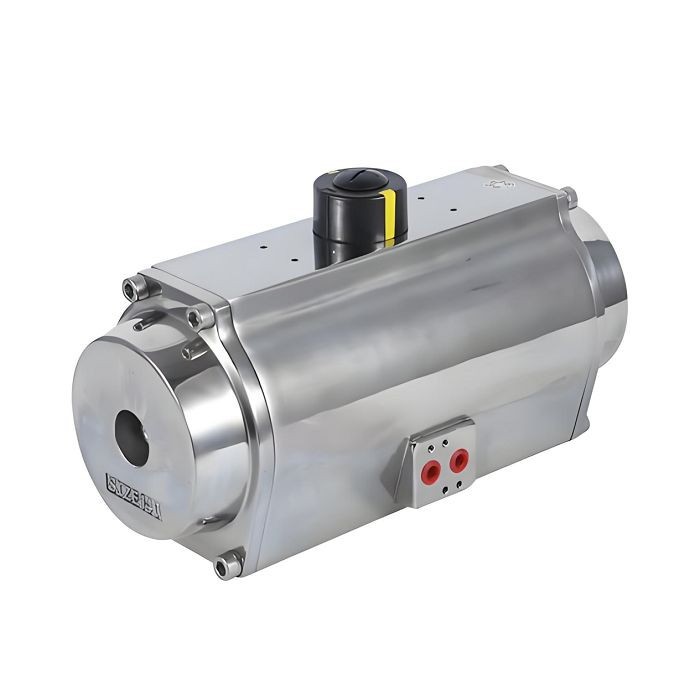
First off, let's quickly go over what a Rotary Electric Actuator is. It's a device that converts electrical energy into rotational motion. These actuators are used in a wide range of applications, from industrial automation to robotics and even in some home appliances. They're known for their precision, reliability, and ease of control compared to other types of actuators like the Skotch Yoke Actuator or the Rack and Pinion Pneumatic Actuator.
Now, let's dive into the power supply requirements. The power supply for a Rotary Electric Actuator depends on several factors, including the size of the actuator, the load it needs to handle, and the speed at which it operates.
Voltage Requirements
One of the most important aspects of the power supply is the voltage. Rotary Electric Actuators can operate on different voltage levels, and it's crucial to provide the correct voltage to ensure proper functionality. Most commonly, you'll find actuators that operate on either 12V, 24V, or 48V DC (direct current).
For smaller actuators used in low - load applications, like in some small - scale robotic arms or simple automation tasks in a home environment, a 12V DC power supply might be sufficient. These actuators are usually lightweight and don't require a lot of power to move the load.
On the other hand, larger actuators that need to handle heavier loads, such as those used in industrial machinery, often require a 24V or 48V DC power supply. The higher voltage allows the actuator to generate more torque, which is necessary to move large and heavy objects.
It's important to note that using the wrong voltage can have serious consequences. If you supply a lower voltage than required, the actuator may not be able to reach its full speed or generate enough torque to move the load. This can lead to slow operation or even stalling of the actuator. Conversely, supplying a higher voltage than specified can damage the actuator's internal components, such as the motor and the control electronics.
Current Requirements
In addition to voltage, the current is another key factor. The current rating of a Rotary Electric Actuator indicates how much electrical current it draws from the power supply. The current requirement is closely related to the load on the actuator. When the actuator is moving a heavy load, it needs more power, and thus it will draw more current.
The current rating is usually specified in amperes (A). You need to make sure that your power supply can provide enough current to meet the actuator's demand. For example, if an actuator has a current rating of 2A, your power supply should be able to supply at least 2A of current without overloading.
It's also important to consider the inrush current. When an actuator starts up, it may draw a higher current for a short period, known as the inrush current. This is because the motor needs extra power to overcome the initial inertia and start rotating. Your power supply should be able to handle this inrush current without dropping the voltage significantly.
Power Supply Stability
Another crucial aspect is the stability of the power supply. A stable power supply ensures that the actuator operates smoothly and reliably. Fluctuations in voltage or current can cause the actuator to behave erratically, leading to inconsistent performance.
To ensure power supply stability, you can use a regulated power supply. A regulated power supply maintains a constant output voltage, even if there are changes in the input voltage or the load on the actuator. This helps to protect the actuator from damage due to voltage spikes or drops.
Some Rotary Electric Actuators also have built - in protection circuits to handle minor power supply fluctuations. However, it's still best to provide a stable power source from the start to avoid any potential issues.
Power Supply Type
As mentioned earlier, most Rotary Electric Actuators use DC power supplies. DC power is preferred because it provides a consistent and stable flow of electricity, which is ideal for the precise control required by these actuators.
However, in some industrial settings, you may also find actuators that can operate on AC (alternating current) power. AC - powered actuators are often used in applications where a DC power supply is not readily available or where the actuator needs to be integrated with existing AC - based electrical systems.
When using an AC power supply, you need to ensure that the actuator is compatible with the frequency of the AC power. In most countries, the standard AC frequency is either 50Hz or 60Hz. Using an actuator with the wrong frequency can cause it to operate inefficiently or even damage the internal components.
Considerations for Multiple Actuators
If you're using multiple Rotary Electric Actuators in a system, you need to calculate the total power requirements carefully. You can't simply add up the power ratings of each actuator because the actuators may not all be operating at their maximum capacity simultaneously.
However, it's still important to ensure that your power supply can handle the peak power demand. One way to do this is to use a power supply with a higher capacity than the calculated total power requirement. This provides a safety margin and ensures that the power supply can handle any sudden increases in power demand.
Power Supply Protection
To protect your Rotary Electric Actuator and the power supply itself, it's a good idea to use some form of power supply protection. This can include fuses, circuit breakers, and surge protectors.
Fuses are designed to break the circuit if the current exceeds a certain limit. This helps to prevent damage to the actuator and the power supply in case of a short - circuit or an overload. Circuit breakers work in a similar way, but they can be reset after they trip, unlike fuses which need to be replaced.
Surge protectors are used to protect against voltage spikes, which can occur due to lightning strikes or other electrical disturbances in the power grid. These devices divert the excess voltage to the ground, preventing it from reaching the actuator.
Choosing the Right Power Supply
When choosing a power supply for your Rotary Electric Actuator, there are several factors to consider. First, make sure to check the actuator's specifications to determine the correct voltage and current requirements. Then, look for a power supply that can provide a stable output within these specifications.
It's also a good idea to choose a power supply from a reputable manufacturer. A high - quality power supply is more likely to be reliable and provide consistent performance over time. Additionally, consider the size and form factor of the power supply, especially if you're working in a space - constrained environment.
In conclusion, understanding the power supply requirements for a Rotary Electric Actuator is essential for ensuring its proper operation. By providing the correct voltage, current, and a stable power supply, you can maximize the performance and lifespan of your actuator.
If you're in the market for a Rotary Electric Actuator or need more information about power supply requirements, don't hesitate to reach out. We're here to help you find the right actuator and ensure that you have the correct power supply setup. Whether you're a small - scale hobbyist or a large - scale industrial manufacturer, we've got the expertise to assist you. You can learn more about our Rotary Electric Actuators on our website.
References
- "Motion Control Handbook" by Peter Nachtwey
- Manufacturer's documentation for Rotary Electric Actuators