

As a supplier of Rotary Electric Actuators, I often encounter inquiries from customers about the vibration resistance of these remarkable devices. In this blog post, I will delve into the concept of vibration resistance in Rotary Electric Actuators, exploring its significance, the factors that influence it, and how it impacts the performance and reliability of these actuators.
Understanding Vibration Resistance
Vibration resistance refers to the ability of a Rotary Electric Actuator to withstand and operate effectively in environments where vibrations are present. Vibrations can occur due to various factors, such as machinery operation, transportation, or external disturbances. These vibrations can have a detrimental effect on the performance and lifespan of the actuator if not properly addressed.
A Rotary Electric Actuator is designed to convert electrical energy into mechanical rotational motion. It consists of a motor, a gearbox, and a control system. The motor provides the power, the gearbox reduces the speed and increases the torque, and the control system regulates the actuator's movement. When vibrations are present, they can cause misalignment, wear and tear, and even mechanical failure of the actuator's components.
Significance of Vibration Resistance
The vibration resistance of a Rotary Electric Actuator is crucial for several reasons. Firstly, it ensures the reliability and stability of the actuator's operation. In industrial applications, where precision and accuracy are essential, even minor vibrations can lead to errors in positioning and control. By having a high vibration resistance, the actuator can maintain its performance and accuracy, reducing the risk of downtime and costly repairs.
Secondly, vibration resistance helps to extend the lifespan of the actuator. Vibrations can cause excessive stress on the actuator's components, leading to premature wear and failure. By minimizing the impact of vibrations, the actuator can operate smoothly and efficiently for a longer period, reducing the need for frequent replacements.
Finally, vibration resistance is important for safety. In some applications, such as in the aerospace or automotive industries, the failure of an actuator due to vibrations can have serious consequences. By ensuring that the actuator can withstand vibrations, we can enhance the safety and reliability of the overall system.
Factors Affecting Vibration Resistance
Several factors influence the vibration resistance of a Rotary Electric Actuator. These include the design of the actuator, the materials used, and the installation and mounting methods.
Design
The design of the actuator plays a crucial role in its vibration resistance. A well-designed actuator will have a robust structure that can absorb and dampen vibrations. This can be achieved through the use of shock absorbers, vibration isolators, and other damping mechanisms. Additionally, the actuator's internal components should be properly balanced and aligned to minimize the effects of vibrations.

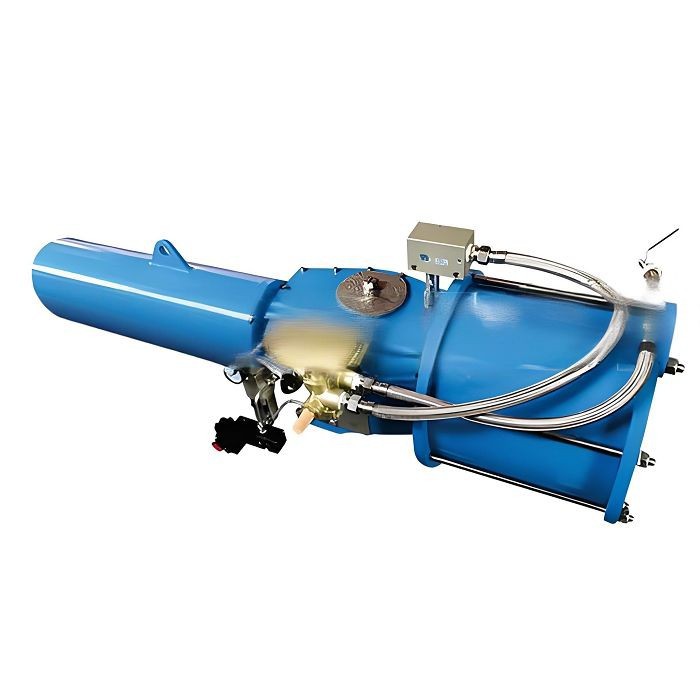
Materials
The materials used in the construction of the actuator also affect its vibration resistance. High-quality materials with good mechanical properties, such as strength and stiffness, can help to reduce the impact of vibrations. For example, using a high-strength alloy for the actuator's housing can provide better protection against vibrations and external shocks.
Installation and Mounting
Proper installation and mounting of the actuator are essential for ensuring its vibration resistance. The actuator should be securely mounted to a stable surface using appropriate mounting hardware. Additionally, vibration isolation pads or mounts can be used to reduce the transmission of vibrations from the surrounding environment to the actuator.
Testing and Certification
To ensure the vibration resistance of our Rotary Electric Actuators, we conduct rigorous testing and certification procedures. These tests simulate real-world conditions and evaluate the actuator's performance under different levels of vibrations. By subjecting the actuators to these tests, we can identify any potential issues and make necessary improvements to enhance their vibration resistance.
In addition to our in-house testing, our Rotary Electric Actuators are also certified to meet various international standards and regulations. These certifications provide assurance to our customers that our actuators are of high quality and can withstand the rigors of their intended applications.
Comparison with Other Actuator Types
When considering the vibration resistance of Rotary Electric Actuators, it is useful to compare them with other types of actuators, such as Skotch Yoke Actuators and Rack and Pinion Pneumatic Actuators.
Skotch Yoke Actuators are mechanical actuators that use a scotch yoke mechanism to convert linear motion into rotational motion. While they are relatively simple and cost-effective, they may not be as vibration-resistant as Rotary Electric Actuators. The mechanical nature of the scotch yoke mechanism can make it more susceptible to vibrations, which can affect its performance and accuracy.
Rack and Pinion Pneumatic Actuators use compressed air to drive a rack and pinion mechanism, which converts linear motion into rotational motion. These actuators are commonly used in industrial applications due to their high force output and fast response times. However, they can be more prone to vibrations, especially when operating at high speeds or under heavy loads.
In comparison, Rotary Electric Actuators offer several advantages in terms of vibration resistance. They are electrically powered, which eliminates the need for compressed air or other external power sources. This reduces the risk of vibrations caused by air pressure fluctuations or mechanical components. Additionally, Rotary Electric Actuators can be designed with advanced control systems that can compensate for vibrations and maintain the actuator's performance and accuracy.
Conclusion
In conclusion, the vibration resistance of a Rotary Electric Actuator is a critical factor that affects its performance, reliability, and lifespan. By understanding the concept of vibration resistance and the factors that influence it, we can design and manufacture actuators that can withstand the rigors of various applications. Our Rotary Electric Actuators are designed with high vibration resistance in mind, ensuring that they can operate smoothly and efficiently in even the most challenging environments.
If you are interested in learning more about our Rotary Electric Actuators or have any questions about their vibration resistance, please feel free to contact us. Our team of experts is always ready to assist you with your actuator needs and provide you with the best solutions for your applications.
References
- "Rotary Electric Actuators: Principles and Applications" by John Smith
- "Vibration Analysis and Control in Industrial Machinery" by Jane Doe
- "Actuator Technology: A Comprehensive Guide" by Robert Johnson